By Rasika Gasti
As the COVID-19 pandemic continues to stay with us into the second year, many people are still looking for an opportunity to go to their homes thousands of miles away and see their loved ones.
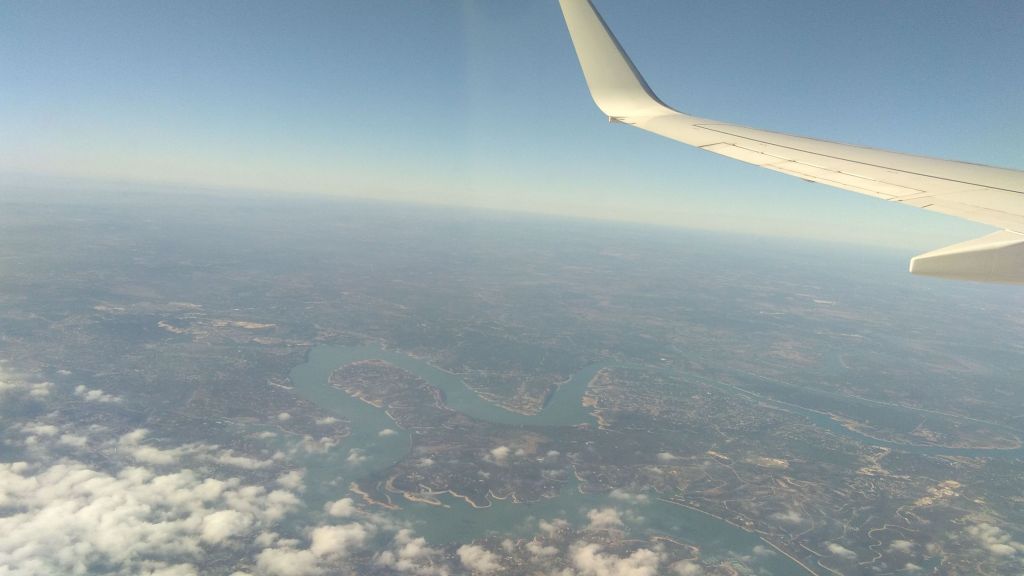
Typically, many foreign students and workers go home once in a year during breaks and vacations to see their families and spend some time in their home countries. But due to all the international travel restrictions during the COVID-19 pandemic, they didn’t get a chance to visit their families for more than a year.
Being a part of that demographic myself, I know how our eyes are tired of desperately waiting to see our loved ones in real life.
Cathie Jean had planned a perfect vacation with her spouse to their home countries, Haiti and Dominican Republic. However, they had to cancel all their plans with the surge of COVID-19 cases in different parts of the world.
“Well, I went back to home, to Haiti, in 2010. And I was telling myself that the next time I will go to Haiti, I’m going on my honeymoon,” Jean says. “And so, we’re like, we are going in 2020. And then COVID said ‘no.’ So, we just never got to go. I never got to see my cousins and go to the spot that we wanted to.”


A picture of Jean with her family.
Similarly, Divitha Kusupati who came to the U.S. as an international student in Fall 2019 never got a chance to go back home and see her family in Andra Pradesh, India.
“I was waiting for this year. I thought things got settled, but suddenly there was uprisings and surge in India,” Kusupati says. “So, I think, it is impossible in this summer to go.”

Jean thinks that going to her home country during the COVID-19 pandemic is very risky because it poses threat to not only her and her spouse’s health, but also the health of her family down in the Caribbean. She doesn’t want to trouble the people who are already struggling with lack of proper medical support.
“And most likely they will die as opposed to us over here who can go to the doctor or have health insurance,” Jean says.
Jean is also aware that many people in her home country do not follow the recommended COVID-19 safety measures, which makes her trip even more risky. But she doesn’t blame them because she knows that they are battling with other important concerns at the same time. The coronavirus just happens to be one of those concerns.
“When you hear COVID, it’s like COVID is not the number one thing I am trying to fight right now. I am trying to fight poverty, or I am trying to fight for my family to get what I need,” Jean says.
This is also true in case of Kusupati who acknowledges that more that the health risk of traveling internationally during the pandemic, she is worried about maintaining her status as an international student in the U.S. in the wake of recent travel ban on most non-citizens from India.
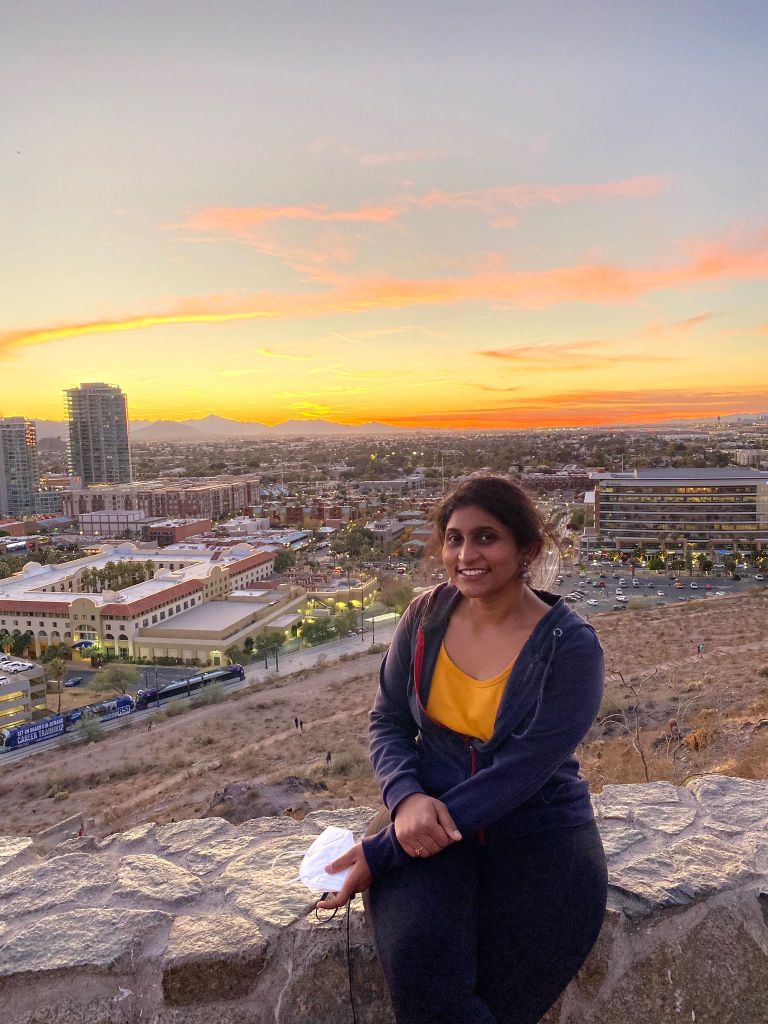
“I was least concerned about my health because we were taking all the measures,” Kusupati says. “But the main concern was that how can it be if we were not able to make it to US in the right time.”
Kusupati added that, even if she takes the risk to travel home, the quarantining procedures in both the US and India would take most of her vacation, and she wouldn’t have sufficient time to spend with her family.
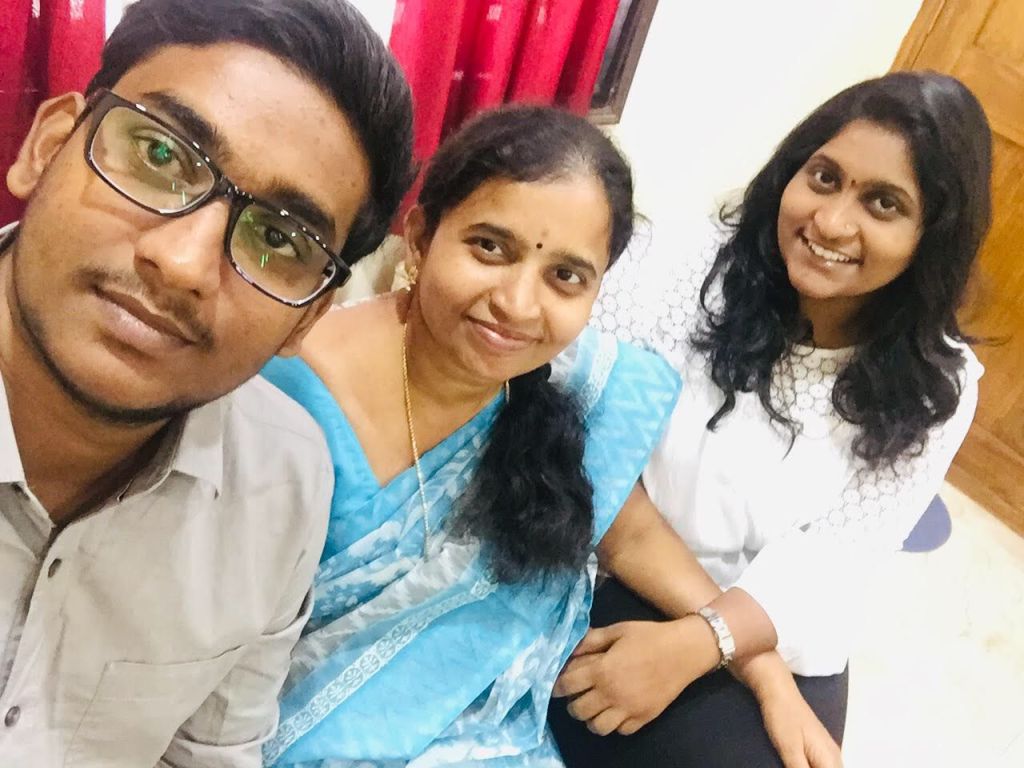
“So, I didn’t think it is worth going to India in those situations,” Kusupati says. “I don’t know, in India also, things are really worst. So, we going, putting ourselves in danger and putting our families in tension. So, I don’t think that is good idea.”
Nevertheless, they both anticipate to ending the wait time for the journeys to their homes in the fall this year and join their cultural celebrations.

“I look forward to just again traveling,” Jean says. “Actually, doing the honeymoon that I wanted to do. Me and my cousins. I look forward to going to a wedding without masks.”
Hopefully, all the folks like Jean, Kusupati and me soon get to embark on our long-awaited journeys to home.
 Journey Through India.