Please click here to listen to the podcast version of this blog post.
I already shared with you all about the architectural beauty of Ajanta Caves in the Part 1. If you haven’t checked that out then please do so before reading this blog post. In this blog post, I will share with you about the sculptures, paintings and some important travel information.
Sculptures
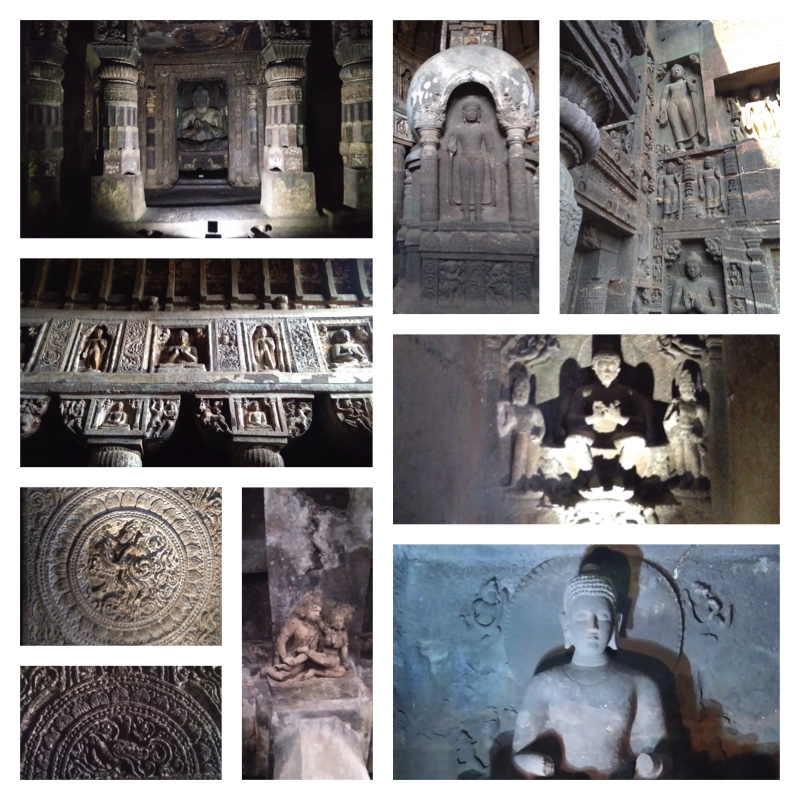
India is famous for its elegant art of making sculptures. And the sculpture carved in the Ajanta Caves are the best representation of Indian art. After the Hinayana phase, Mahayana phase of Buddhism evolved. Unlike the monks from the Hinayana phase, the monks of Mahayana phase believed in worshipping the pictorial representations or the idols of Lord Buddha. Thus, this encouraged the carvings of thousands of idols of Lord Buddha in all the caves.
The heights of such idols range from the 24-foot largest sleeping Buddha to 15 cm smallest meditating Buddha. And the fun fact is that the largest and the smallest idols are carved in the same cave: Cave number 26. Cave number 26 is also the most beautiful cave out of all the 30 caves.
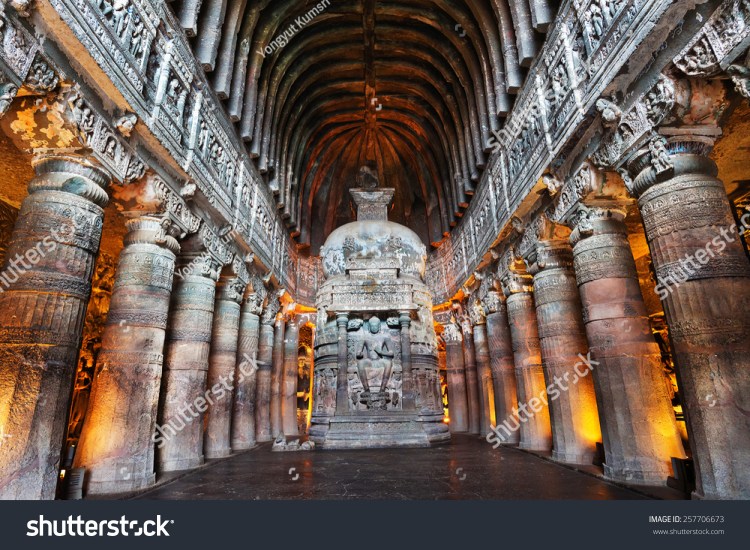
There are no words to describe the beauty and intricacy of the sculptures. There are some huge idols in a sitting posture on the throne which are the symbols of calmness and stability. Such idols could be found in inner sanctum of all the Viharas. And some are standing with subtle movements in their hands and legs.
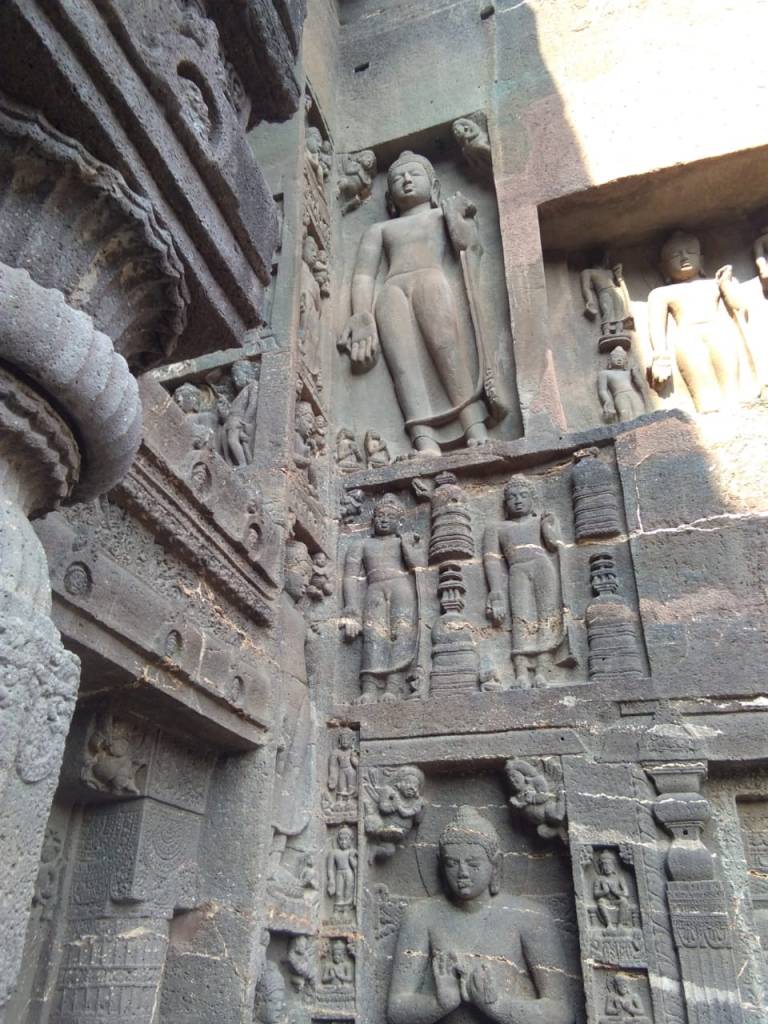
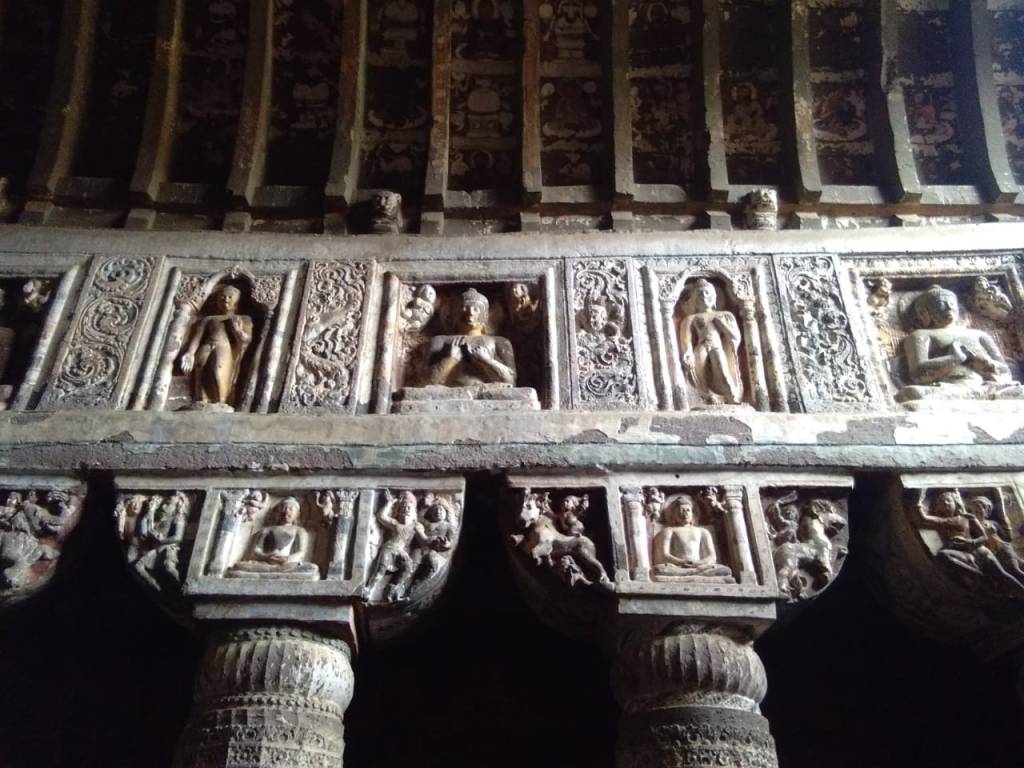
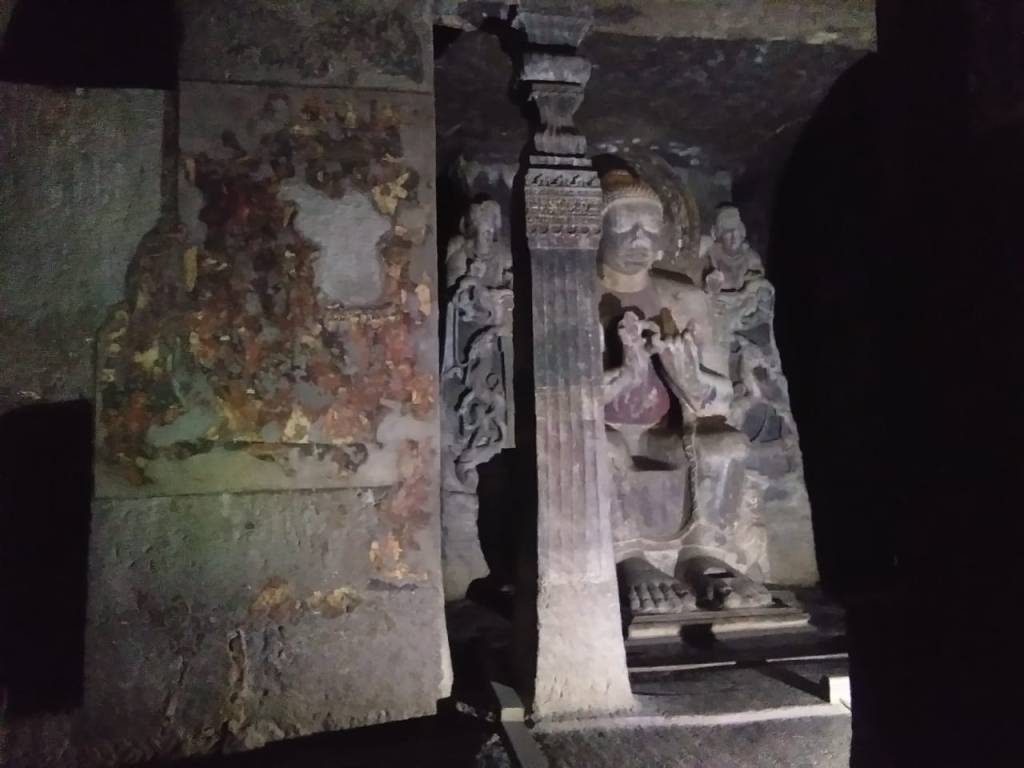
The details in each sculpture have the ability to express the subtle emotions of happiness, sorrow, anger or calmness. Out of them, there is one huge sculpture in one of the viharas which shows happiness and sorrow on each part of the face.
The sculptures are depictions of the miracles and teachings of lord Buddha. There is a sense of unity in all the sculptures because all the different characters carved along with Lord Buddha create a complete picture of the situation in the story.
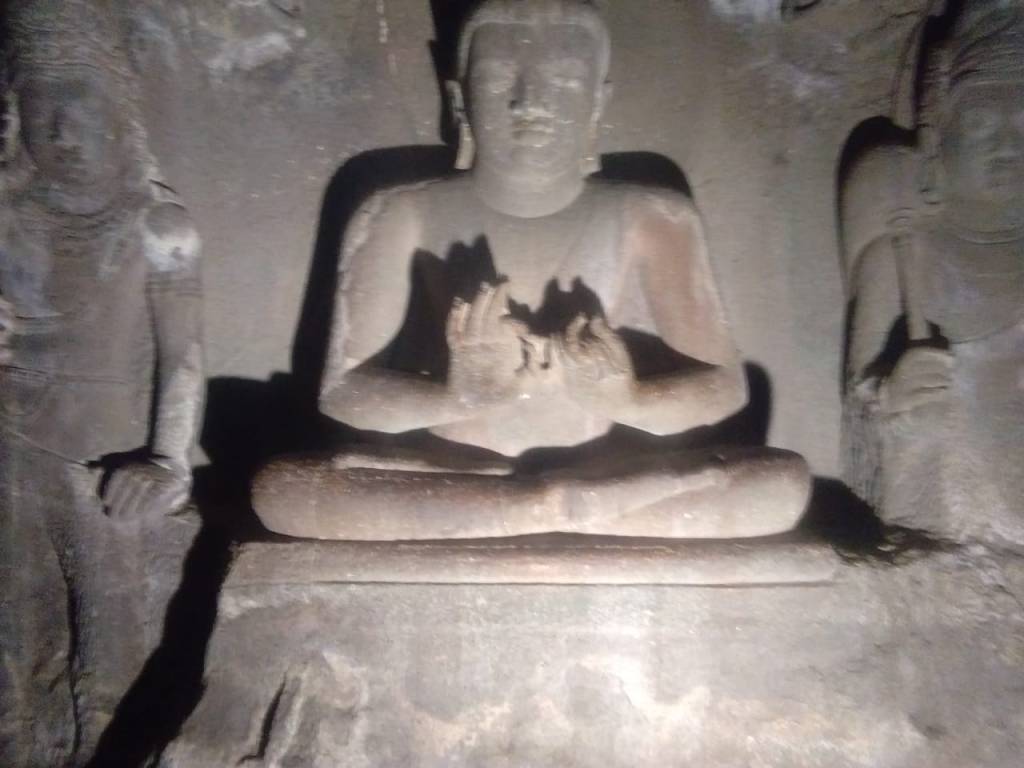
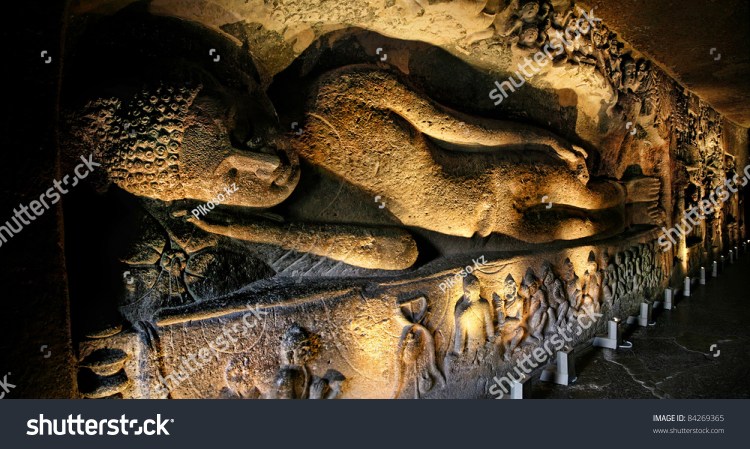
Each carving has a distinct ‘mudra’ (symbolic hand gesture) that showcases a teaching. Out of all these, the largest and the most unique sculpture is the reclining Buddha: ‘Mahaparinirvana’. This sculpture is about the last stage in the life of lord Buddha. The expression of his face shows peace and tranquility. The skilled craftsmen showed minute details like the hair, hand and foot nails. There are a series of disciples carved at the bottom which shows that they are in grief and sorrow for Lord Buddha is leaving the earth. However, the carvings of the disciples carved above the reclining Buddha shows an environment of happiness and celebrations in the heaven.
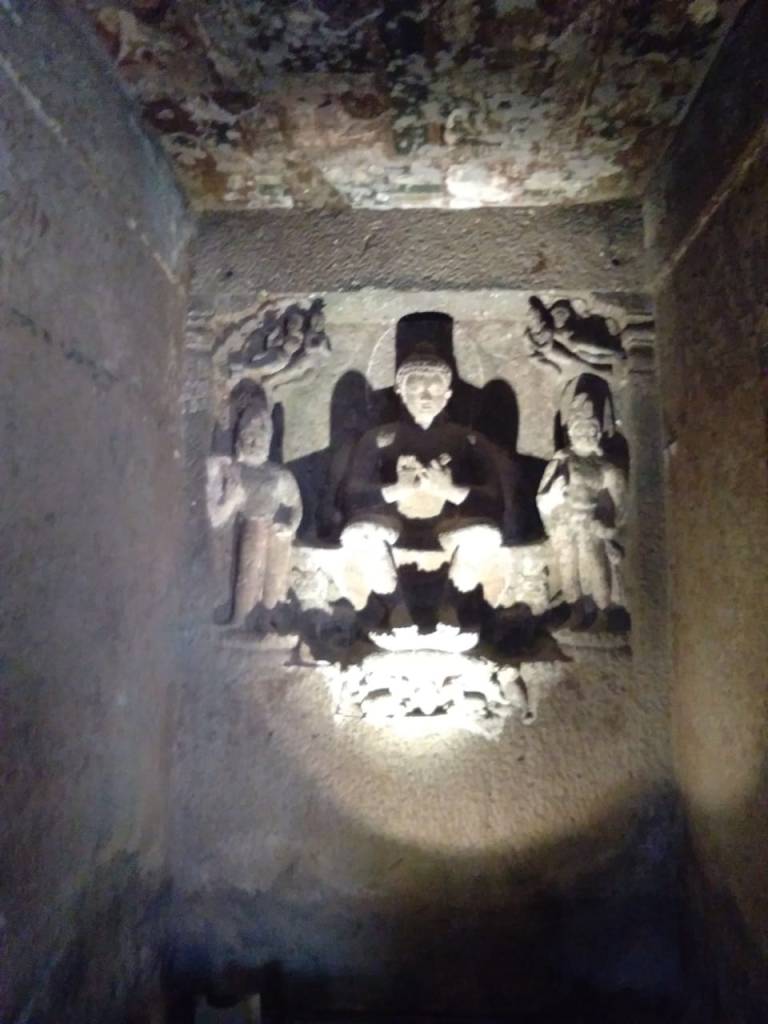
The other bigger ones found in the Viharas are surrounded by the small carvings of disciples which can be understood as a line that focuses towards Lord Buddha. Therefore, each sculpture has a closed composition that makes us to focus on the main subject of the art. The body shapes of every sculpture are in proportion. The faces of all the disciples are made distinct and unique.
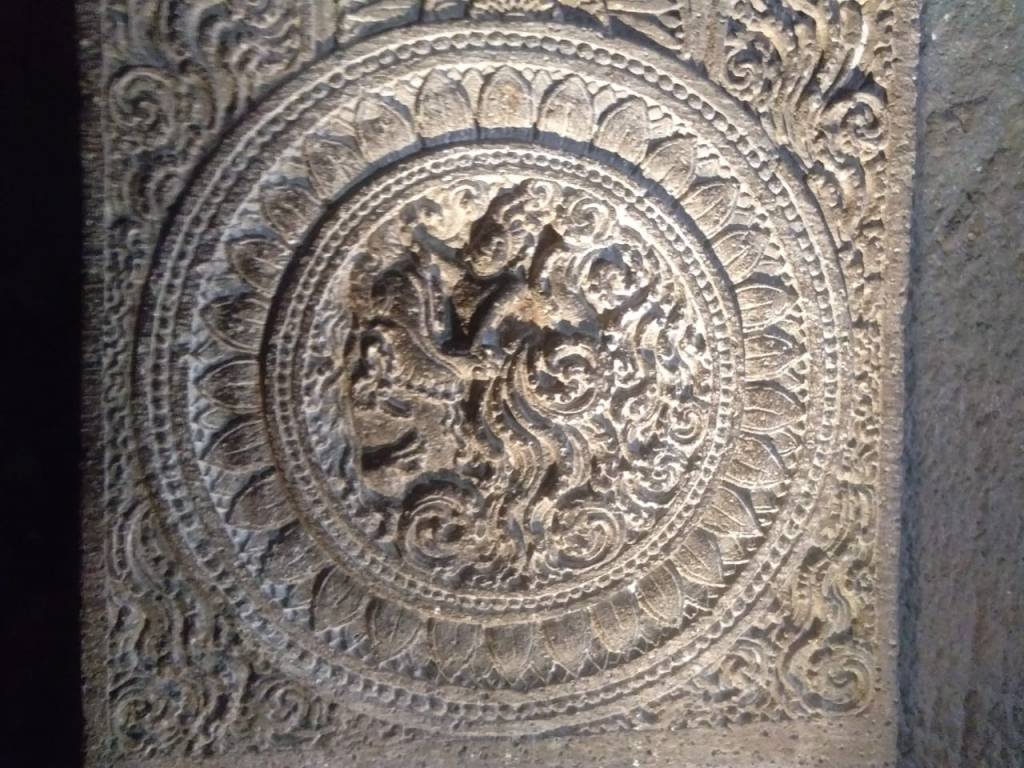
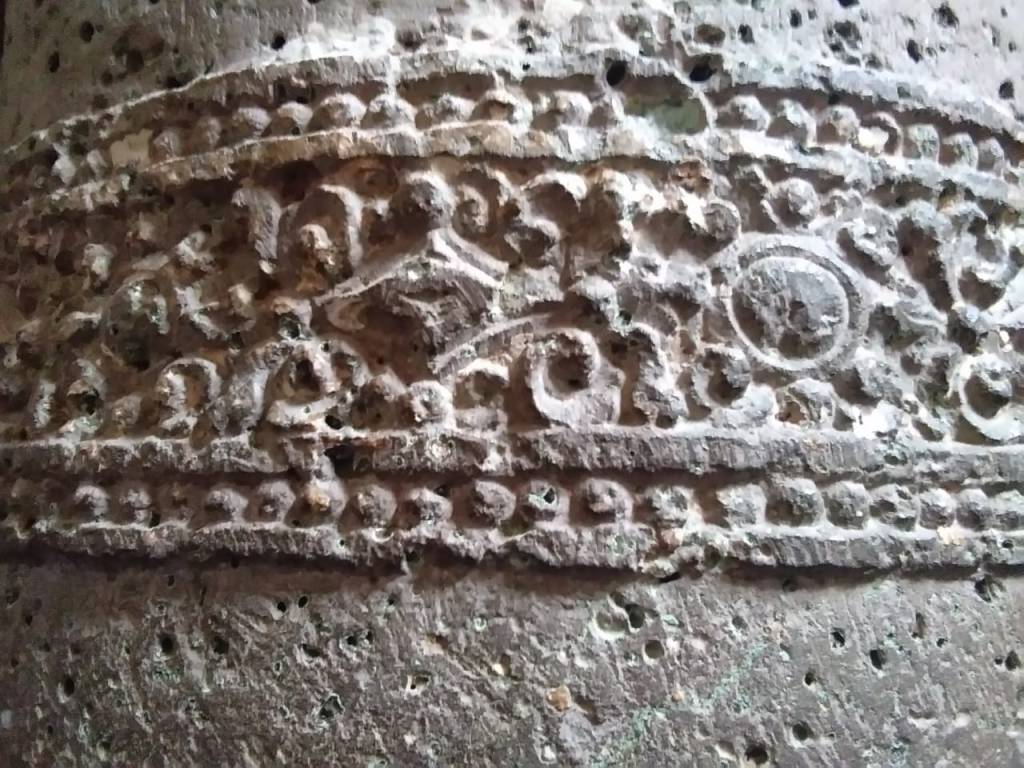
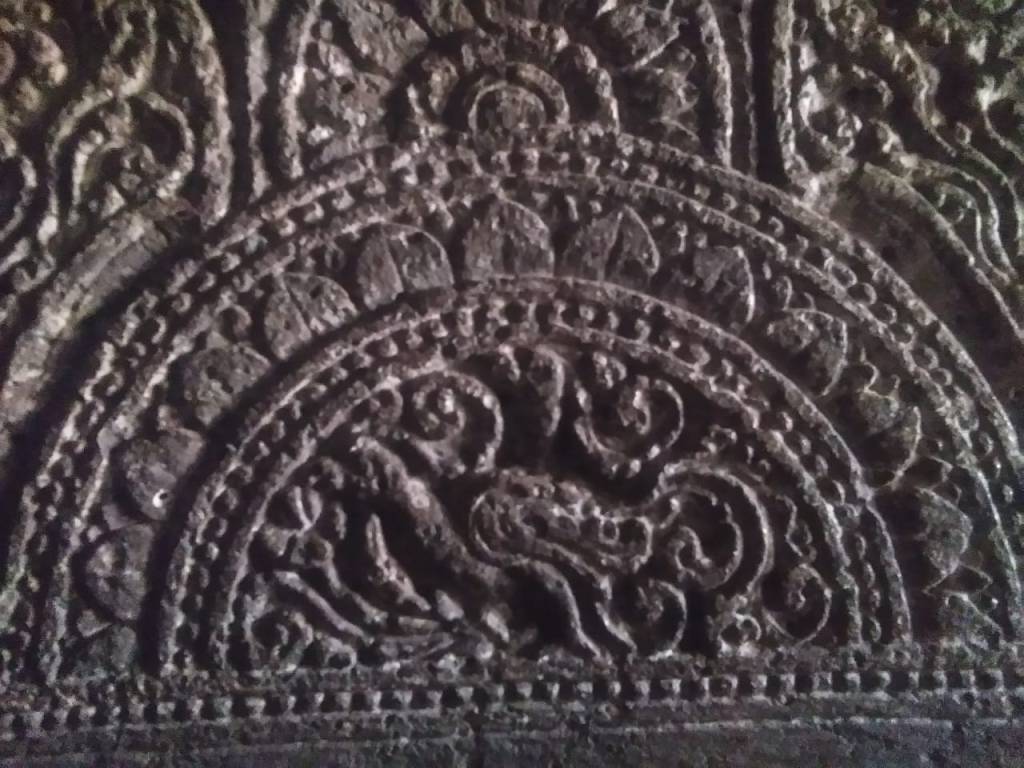
The carvings of design patterns are dominant in all the caves. These are so intricate and detailed that it makes the viewers speechless. Such patterns could be found in almost all the caves. The spaces that were left after carving the main figure were filled with such designs. These patterns include designs of flower, animals, and miniature buddha. There is repetition of lines and shapes like squares, circles and rectangles. Most of the patterns have a symmetrical balance which makes it more attractive.
Paintings
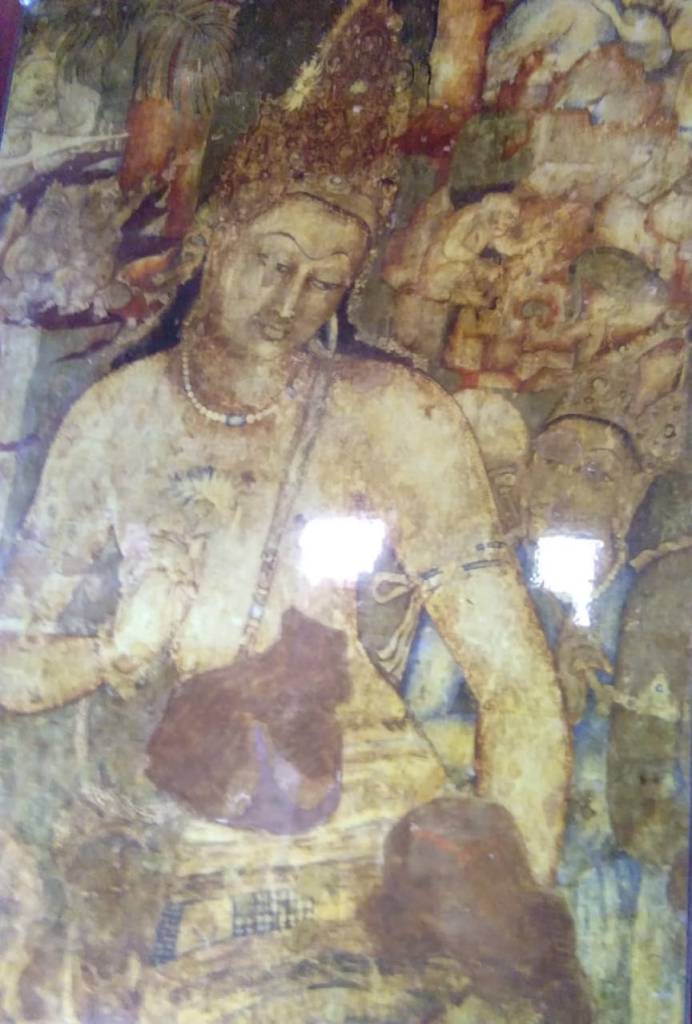
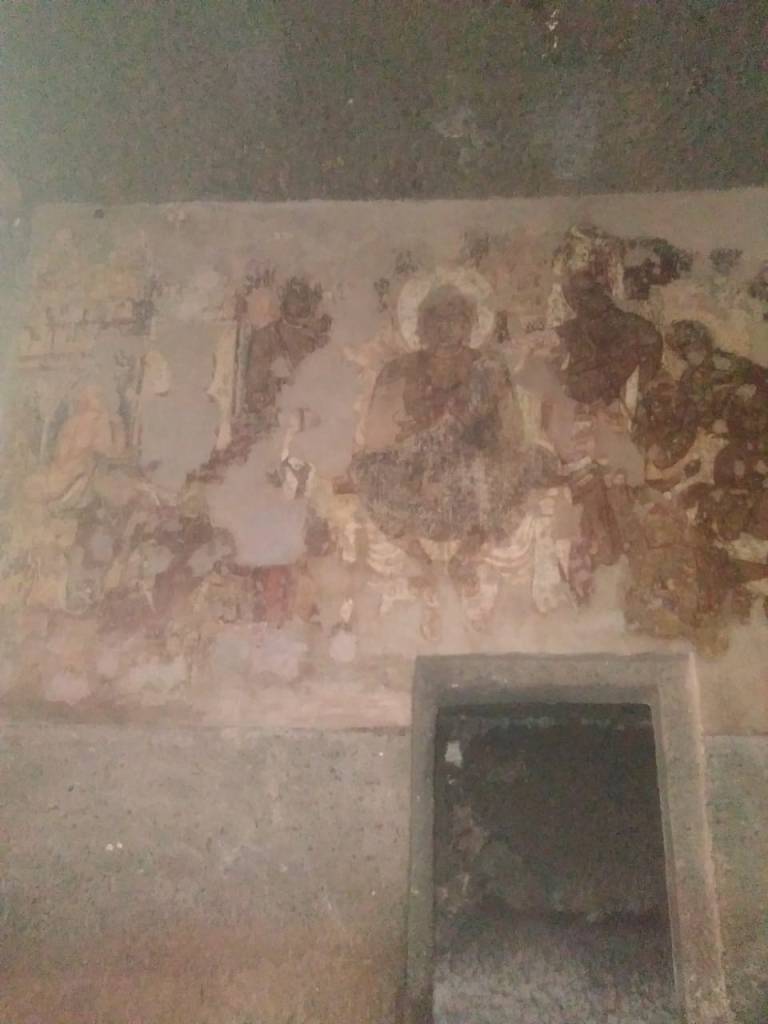
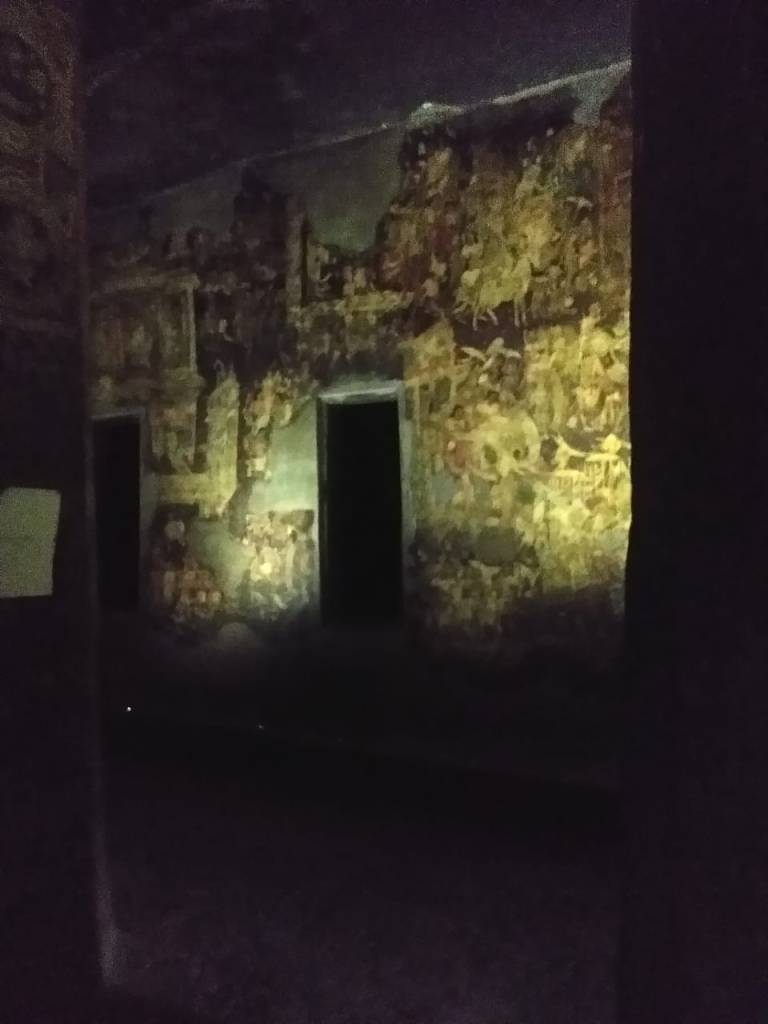
You will be able to experience that every subject out of the millions on the walls of the caves is shouting out a unique story. The monks chose paintings as their medium of passing the stories of certain values and principles to the next generations. It is believed that lord Buddha was born on the earth for 574 times. The tales of all these 574 lives are called as ‘Jataka’ tales. In the devotion of Lord Buddha, the monks elegantly depicted the Jataka tales on all the walls of the caves. The explanations of these stories flow from up to down, down to up, left to right and right to left. Some stories are presented by depicting several scenes where all the scenes work together in unity to explain the story. Whereas, others depict tales through a single painting with a self-explanatory and closed composition. The expressions of each subject in the murals have been gracefully shown. The emotions of happiness, celebration, joy, grief, sorrow, anger, suspicion, tranquillity, romance and shyness can be perceived in these murals.
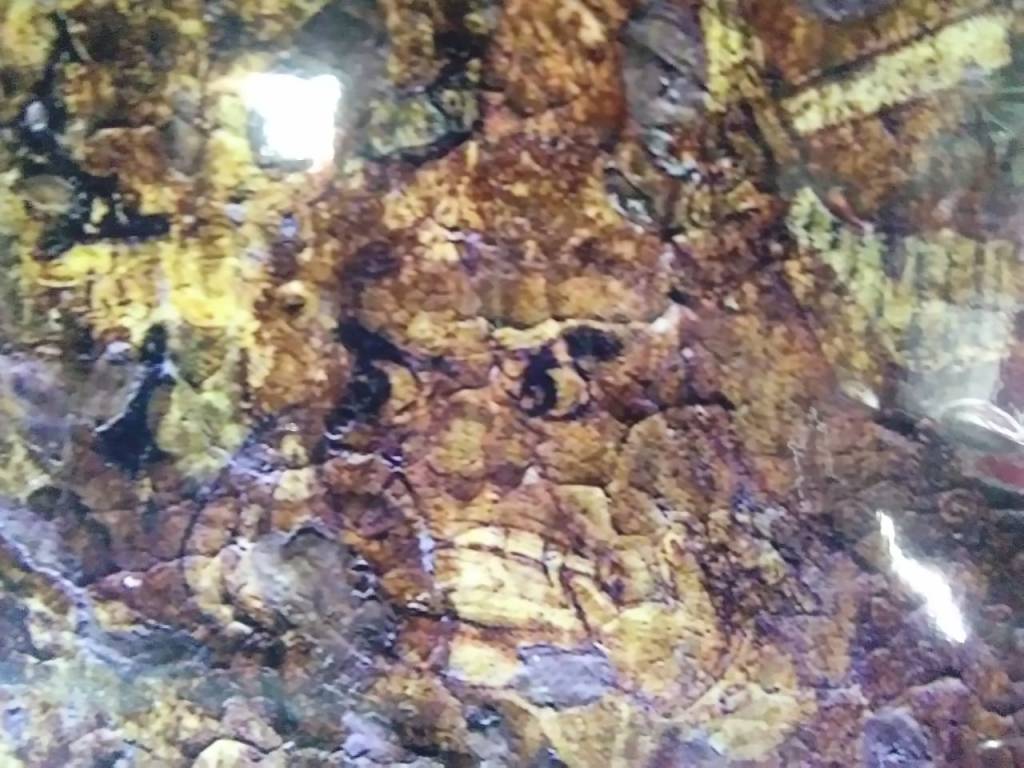
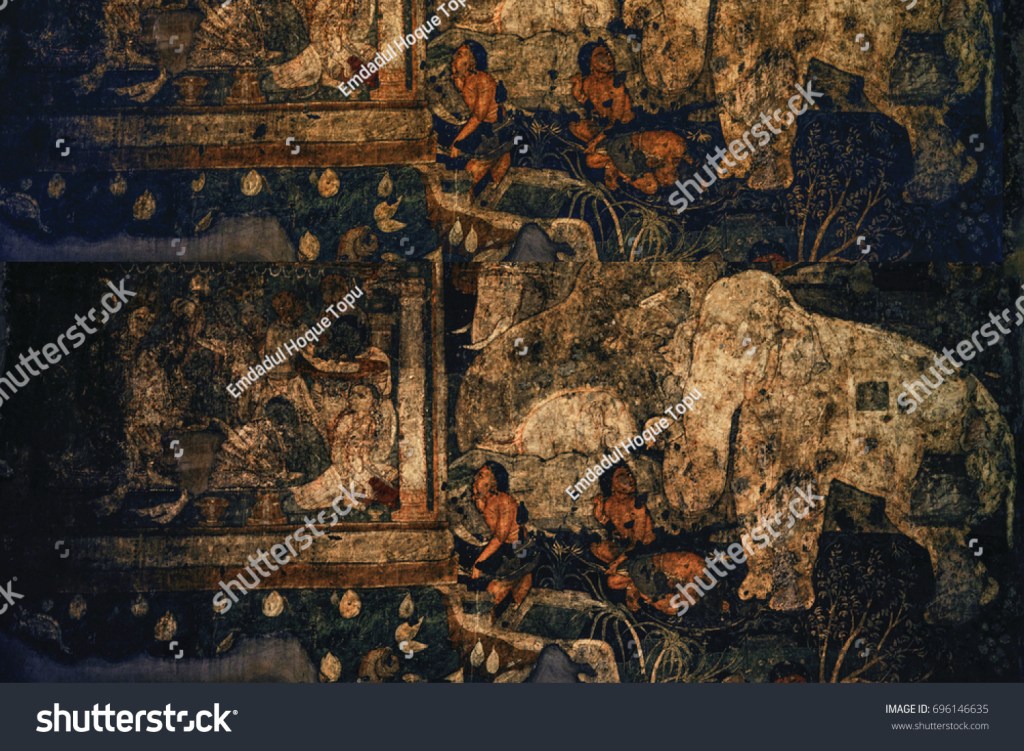
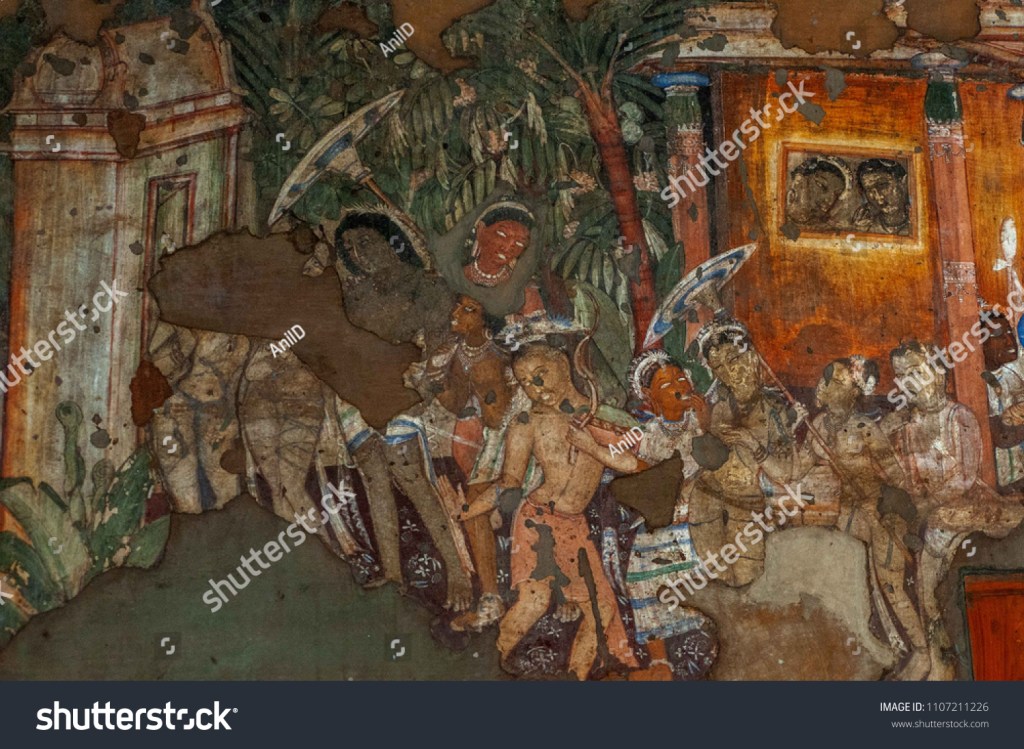
Indian paintings are famous for its significant use of lines. This can be experienced in the murals of these caves such as the paintings of pillars, houses, weapons, throne, trees and human figures.
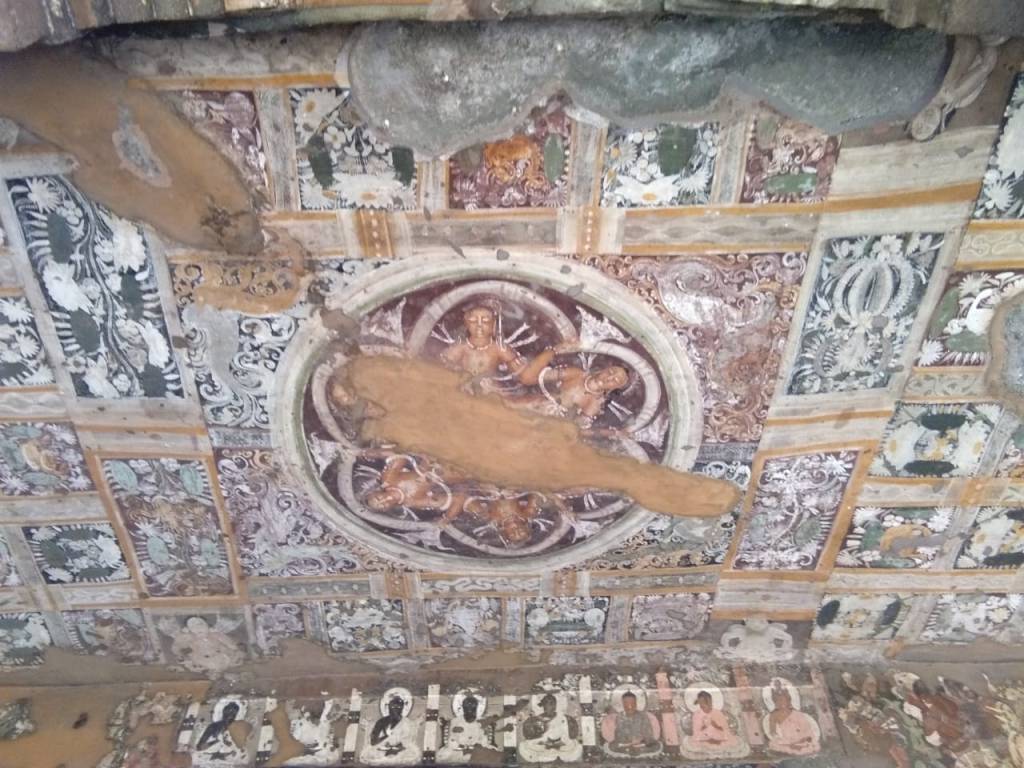
In the Chaityas, the upper portions of both sides of wall are divided into certain blocks. Each block is consisting of a meditating lord Buddha with different mudras and colours of their clothes.
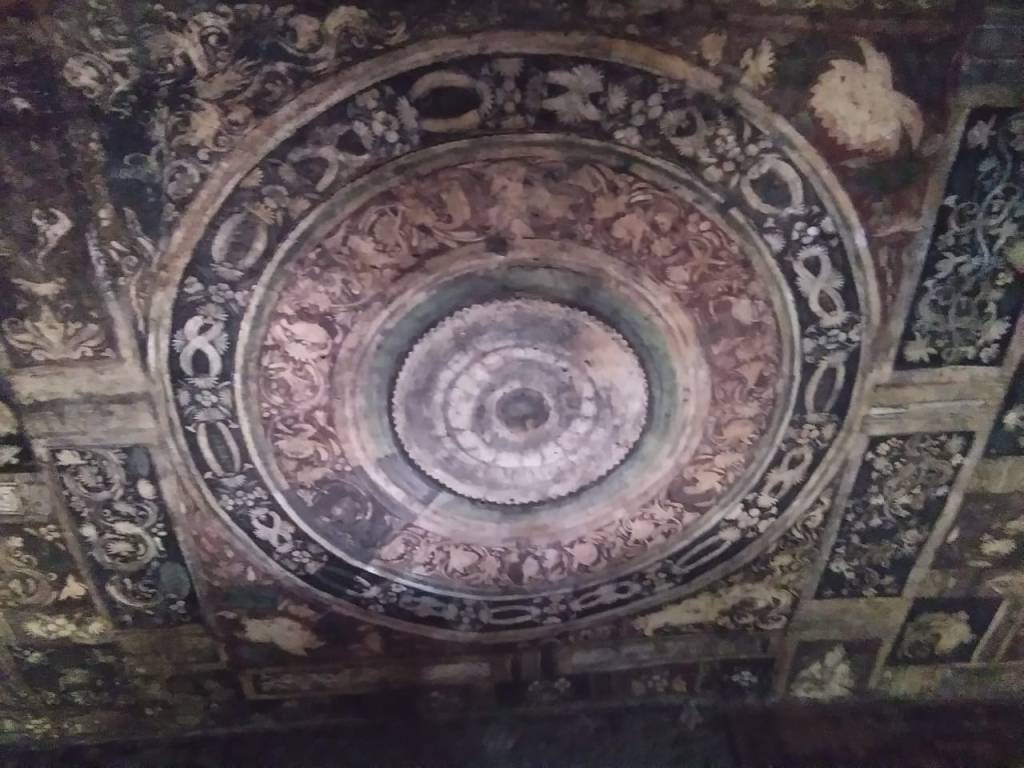
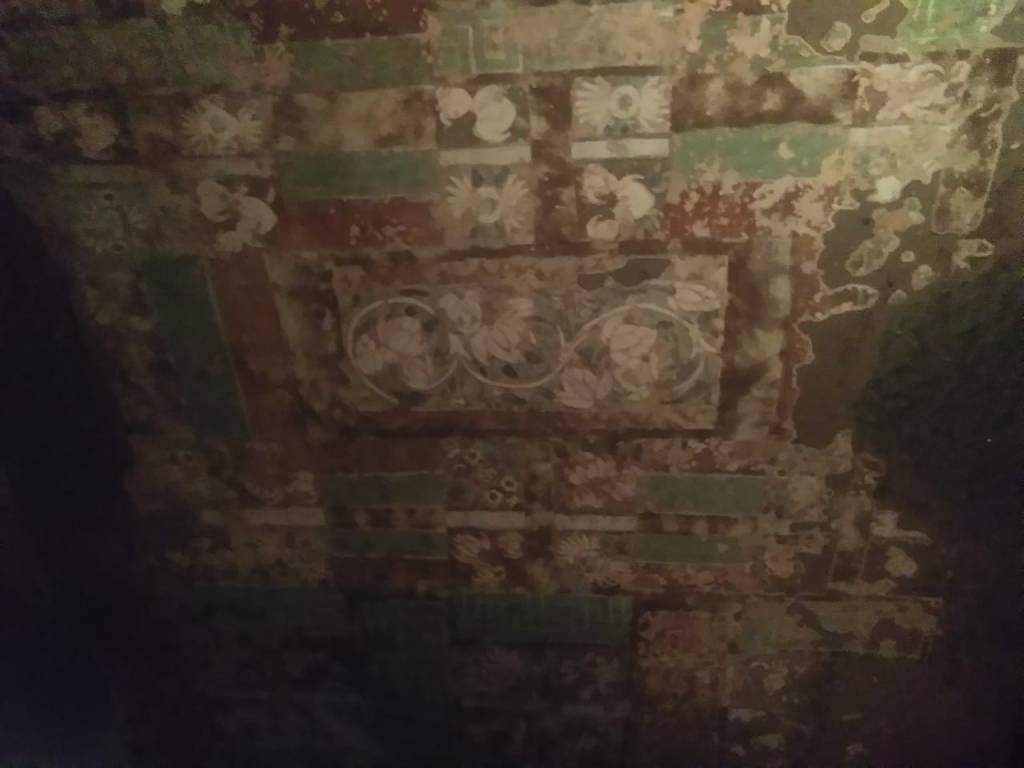
The ceilings of Viharas are beautifully covered with different design patterns such as flowers like lotus and lily; leaves; stem; animals like elephant and monkey; birds like peacock and duck; and shapes like circles, squares and rectangles. They managed to fill all the spaces on the walls and ceilings with such design patterns.
Monks had already predicted some of the key things about the current Indian society. They also depicted all that in one of the caves, and guess what? They have become true today. They had predicted, the Governmental House of the People, the architectural designs of the houses, the prevalence of crime and terrorism, and the equal rights for women which was not at all possible in that period.
Some of the paintings on these walls have become legendary because of its highly defined elements. Examples of such highly defined elements include painting every diamond and stone in the jewellery, crowns decorated with a lot of ornaments, designer robes, the jewellery and hairs moving with the movement of the character, wet or dry hairs, actions of animals and specific flowers like lotus.
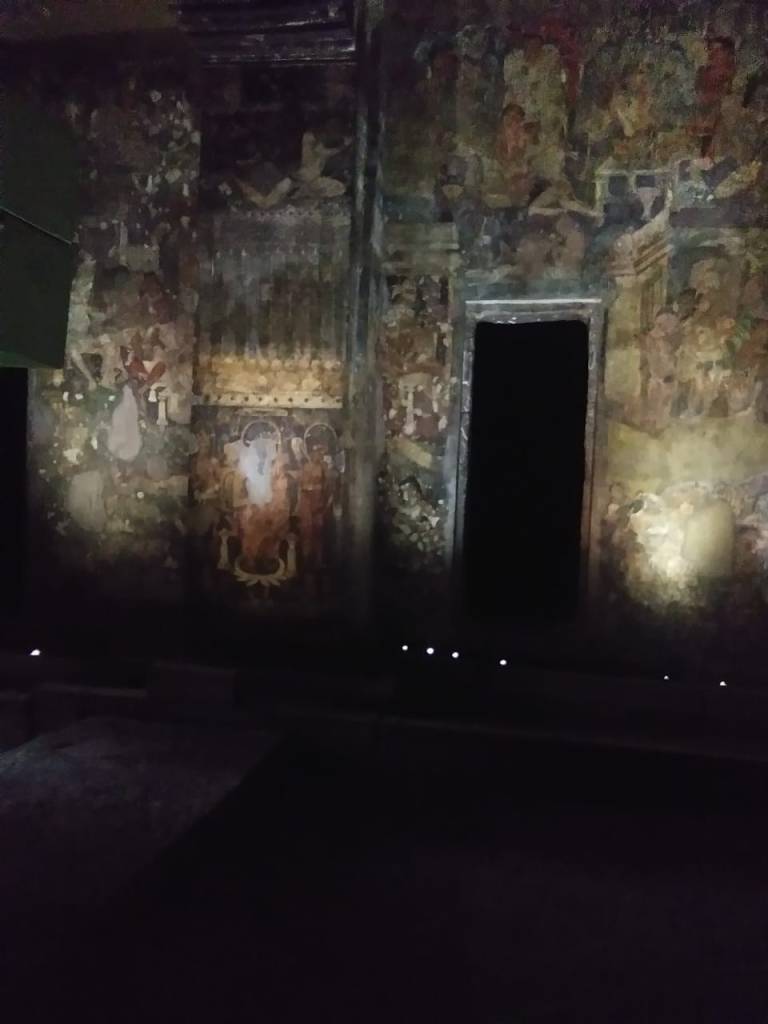
The paintings in ancient times were not as essay as picking up the brush and start painting on a ready-made paper. It took a look of efforts by the monks to first turn the rocky surface to the smooth surface for painting. For which, the monks used to make a paste of sand, water, grass, and minerals like lime. Then they use to apply that on the walls and then wait for it to dry. Sometimes they used to paint on wet surfaces. Moreover, the colours were not readily available. They had to use natural materials like leaves, flowers, trees, and several minerals to make colours by grinding them.
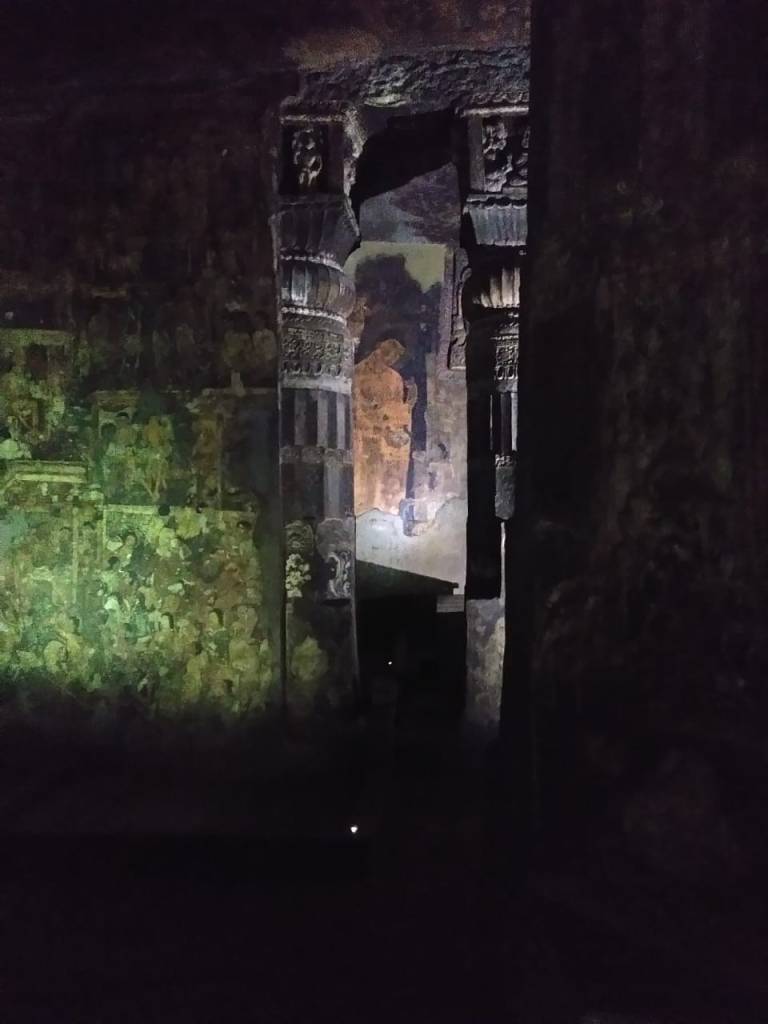
The colours were smartly used to represent the density and volume of different body parts, animals, birds, trees and flowers. There was a subtle blending of colours to use the technique of shading. So, these paintings can be considered as Sfumato. The paintings were higher in intensity when they must be painted because they used bright colours like red, green, yellow, blue and black. However, after certain decades, the colours started to fade out. The hues of the skin colour range from Indian red to dark brown in one single painting. This was one of the methods to show differences in all the individuals portrayed.
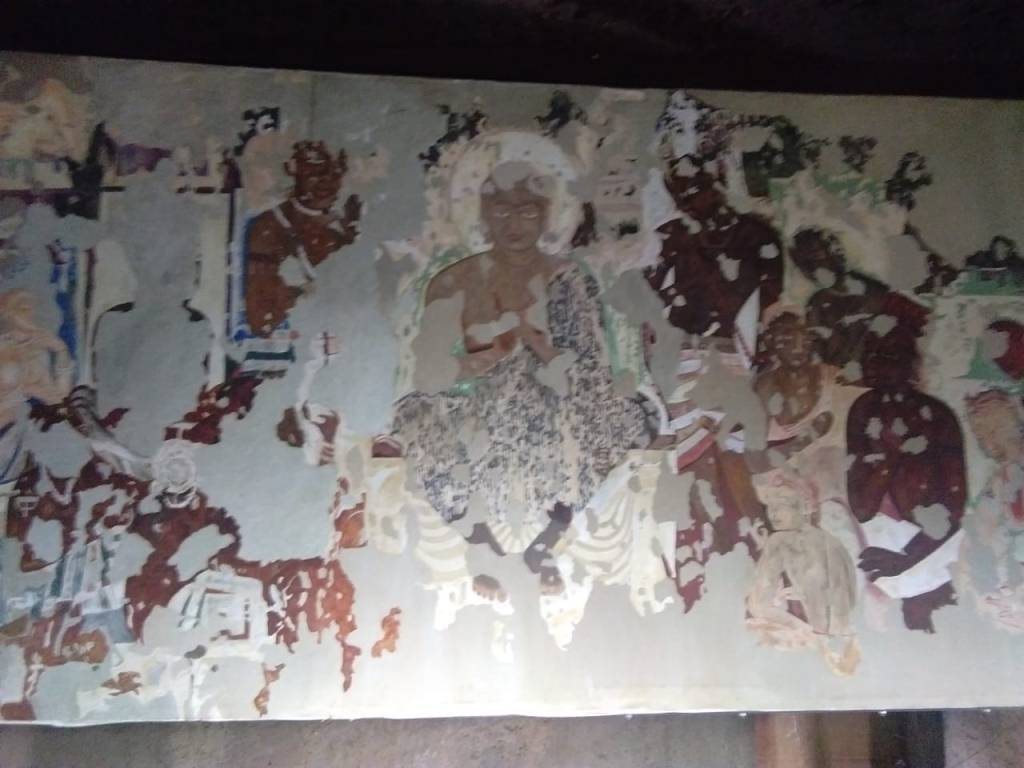
The texture of the subjects in the murals are defined by the use of shading. For instance, the texture of the trees is shown rough. Whereas, the clothes and the human body structures are shown smooth. One of the amazing facts about the murals are the paintings of jewelleries on the queen’s body or king’s crown. It was painted in such a way that it was literally shining like a jewel.
All the art forms that I mentioned earlier are simply stunning. No doubt, you will fall in love with this place.
Now that we all got to know about this cave. Let’s look at some important travel information.
Reaching Ajanta Caves:
- Air
- It is situated in Aurangabad, Maharashtra
- There is a domestic airport in Aurangabad: Chhatrapati Sambhaji Maharaj Airport. You can take a private or public transport from there.
- You can get connected flights from Mumbai or Ahmedabad
- Rail:
- Aurangabad railway station is well connected to Mumbai and Pune. Hence, if you are unable to find direct trains to Aurangabad from your starting station, then you can come to Mumbai or Pune first.
- Road:
- Distance from Aurangabad : 100 km (approximately)
- Distance from Mumbai: 420 km
- Distance from Pune: 334 km
Accommodation:
There are a lot of hotel options, especially, near Ellora Caves (70 km away from Ajanta Caves). A lot of people misunderstand that Ajanta and Ellora caves are the same, but they are actually 70 km apart from each other. Anyways, you can also check out some home stay options as it really offers great experiences. Click here to find out some information about the hotels.
I would also recommend to stay in MTDC (Maharashtra Tourism Development Corporation) resorts as it is owned and managed by the Government of Maharashtra. Click here to find more about MTDC resorts.
Food:
Apparently, not a lot of great restaurants near Ajanta and Ellora caves, but there are few with best taste. MTDC restaurants are also rated the best. Click here to see more.
Places to visit nearby:
- Grishneshwar Temple (1 out of 12 Jyotirlingas)
- Ellora caves
- Daulatabad fort
- Bibi ka Makbara (Replica of Taj Mahal)
- Panchakki, Aurangabad
- Shopping!
Click here to read more about these places.
In conclusion, all these splendid architectural designs, sculptures and murals make the enchanted Ajanta Caves quintessence of the great Indian art culture. The murals and sculptures have been influencing other paintings, the designs on thousands of temples and houses in India, jewellery designs, traditional woman attire: Sarees, shawls, crockery materials, assembly or ceremonial halls, etc. This place will always remain as my favourite historical place. No word can accurately describe what my eyes saw when I visited Ajanta Caves. It is also not possible to explain the elements that I felt but my eyes did not see it.
Thank you for reading this blog post. Please stay tuned for my next blog, and do not forget to subscribe if you find my content interesting.
Pack your bags, fasten your seat belts and get ready to ride!!😎
 Journey Through India.